The Foundation Every Dancer Needs

Ballet is where dance begins. It builds the posture, alignment, strength and discipline that transfer to every other genre and it’s why serious dancers in jazz, contemporary, lyrical and even hip hop keep ballet in their training schedule.

At Dance Direction QLD, our ballet program meets dancers where they are. Some come for the structure and progression of Royal Academy of Dance examinations. Others want the benefits of ballet training without exam pressure. A few are ready to take the next step onto pointe. Whatever the goal, our teachers provide the technical precision ballet demands within the supportive, family-run environment that defines DDQ. It’s classical training with warmth, where corrections come with encouragement and every dancer feels they belong.
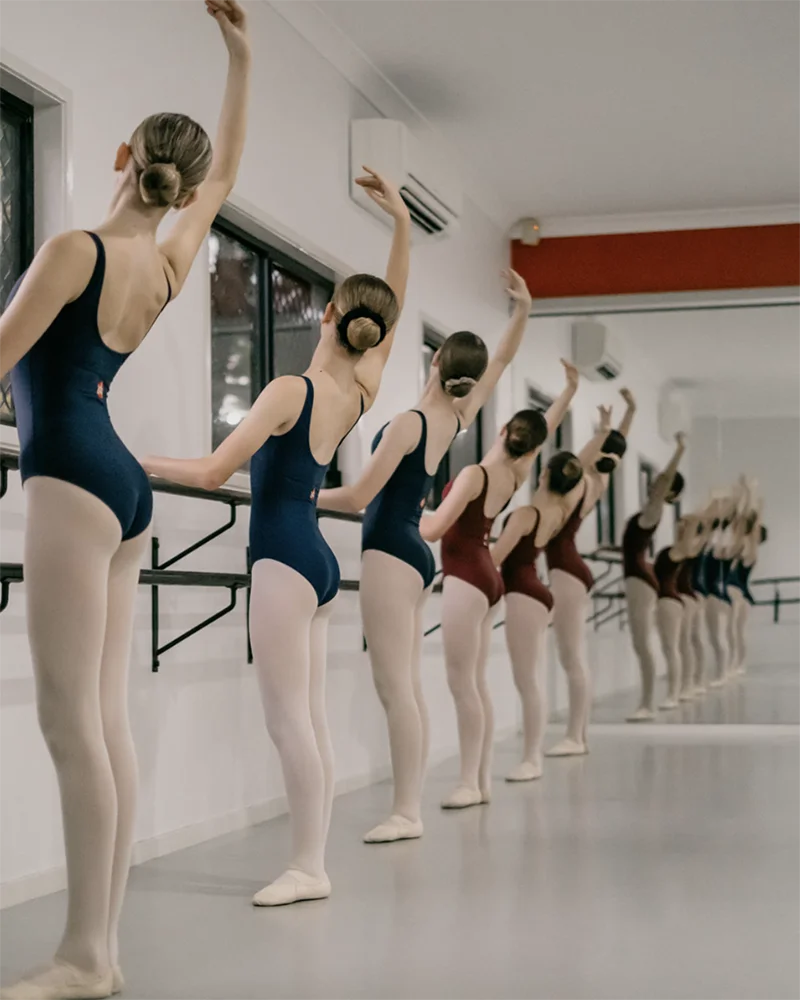

Ballet Dance Classes

Ages

2 to 18 years

Class Types

Open classes, RAD exam prep (prep – year 12), open pointe, PBT

Exam Syllabus

Royal Academy of Dance

Experience Req.

None

Every Age, Every Stage

Find the Right Ballet Class

Ages 2-5

Pre-School Ballet

Your child’s first experience of ballet through our Ready Set Dance program. Classes introduce basic positions, simple steps and musicality through imaginative play and gentle structure.

Ages 5-6

DDQuties Ballet

Our DDQuties Ballet class follows the Royal Academy of Dance (RAD) Pre-Primary syllabus and is designed especially for young dancers beginning their ballet journey. This level introduces children to the foundations of classical ballet in a fun, nurturing and age-appropriate way, with a strong focus on musicality, coordination and basic ballet technique.

Ages 6-8

Pre-Junior Ballet

Technique training becomes more structured with longer barre sequences, centre work and introduction to classical vocabulary. Dancers build the strength and placement that supports all future progression.

Ages 8-10

Junior Ballet

Junior dancers deepen their technical foundation with more complex combinations, allegro work and an emphasis on musicality. RAD exam preparation becomes available for those seeking formal progression.

Ages 10-14

Intermediate Ballet

Training advances with greater demands on turnout, extension, épaulement and petite/grand allegro. Dancers can choose open classes, RAD examination streams, or add Progressing Ballet Technique for targeted conditioning.

Ages 14+

Senior Ballet

Our most advanced classes refine artistry alongside technique. Senior dancers access all pathways including RAD exams through to Year 12, open pointe classes, PBT conditioning, and performance opportunities.

Train recreationally, Pursue exams, or Perform competitively

Choose Your Ballet Pathway

Open Ballet Classes

Classical training without examination requirements. Open classes develop technique, musicality and the physical benefits of ballet for dancers who prefer training without formal assessment.

  • No exam pressure
  • Focus on technique and artistry
  • Ideal for multi-genre dancers
  • Train at your own pace

RAD Exam Classes

Structured progression through the Royal Academy of Dance syllabus from Year 1 to Year 12. Exam preparation provides clear benchmarks, internationally recognised qualifications and detailed feedback from external examiners.

  • Recognised syllabus
  • Year 1 through Year 12 progression
  • External examiner assessments
  • Formal qualifications and certificates

Open Pointe Classes

For dancers with sufficient strength and training to progress to pointe work. Open pointe classes develop safe technique en pointe without the requirement of concurrent exam enrolment.

  • Strength-assessed entry
  • Safe progression focus
  • No exam requirement
  • Develop pointe technique at your pace

PBT – Progressing Ballet Technique

A specialised strength and conditioning program designed specifically for dancers. PBT uses equipment-based exercises to train muscle memory, improve core stability and develop the placement that elevates ballet technique.

  • Targeted dancer conditioning
  • Equipment-based training
  • Builds core stability
  • Enhances technique across all genres

2026 Timetable

Our 2026 Dance Direction DDQ Timetable is here!

Explore class times across all age groups and genres, find the sessions that fit your family’s schedule, and secure your dancer’s spot before classes fill.

Have a question? Be sure to contact us as we’d be glad to help.

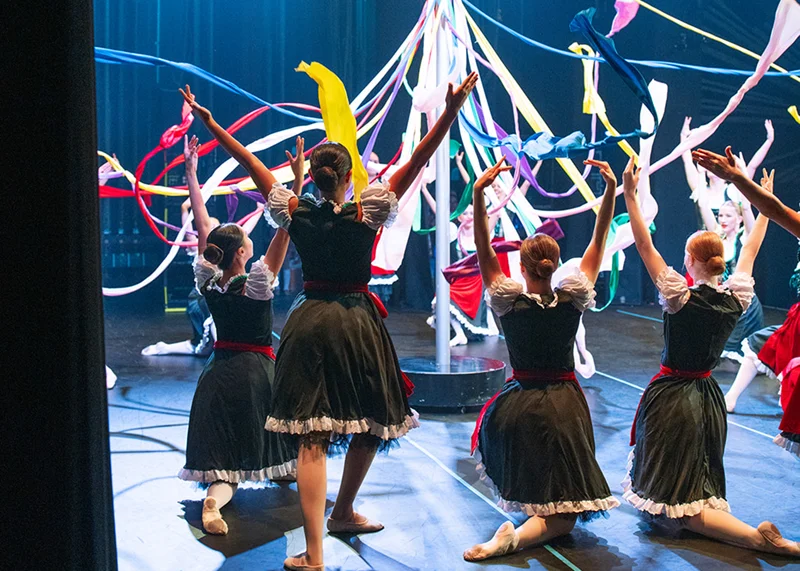
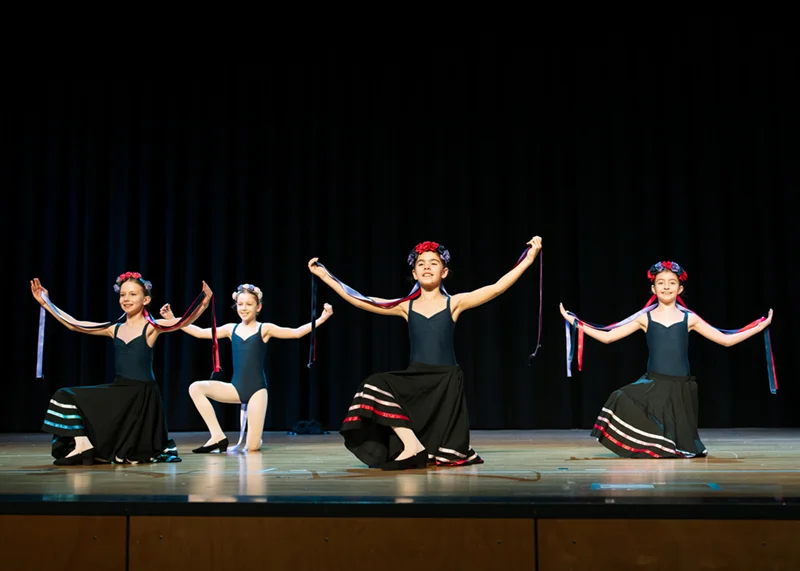
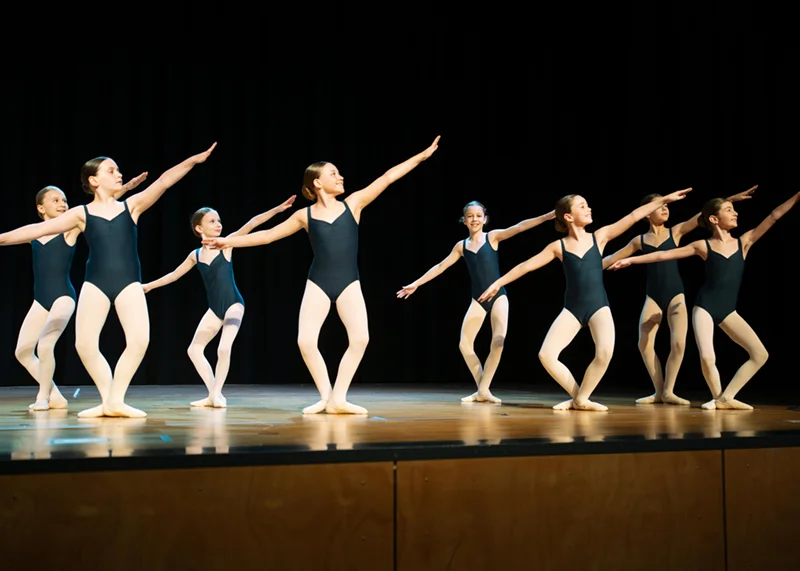
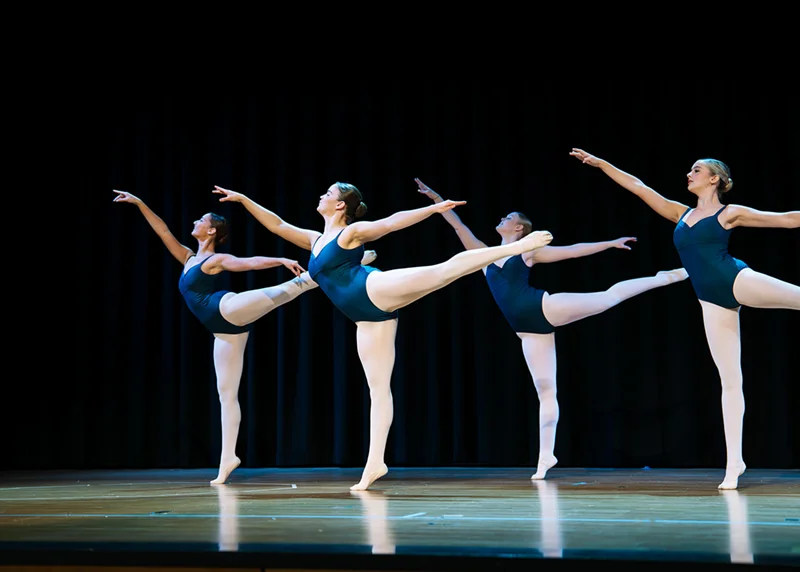
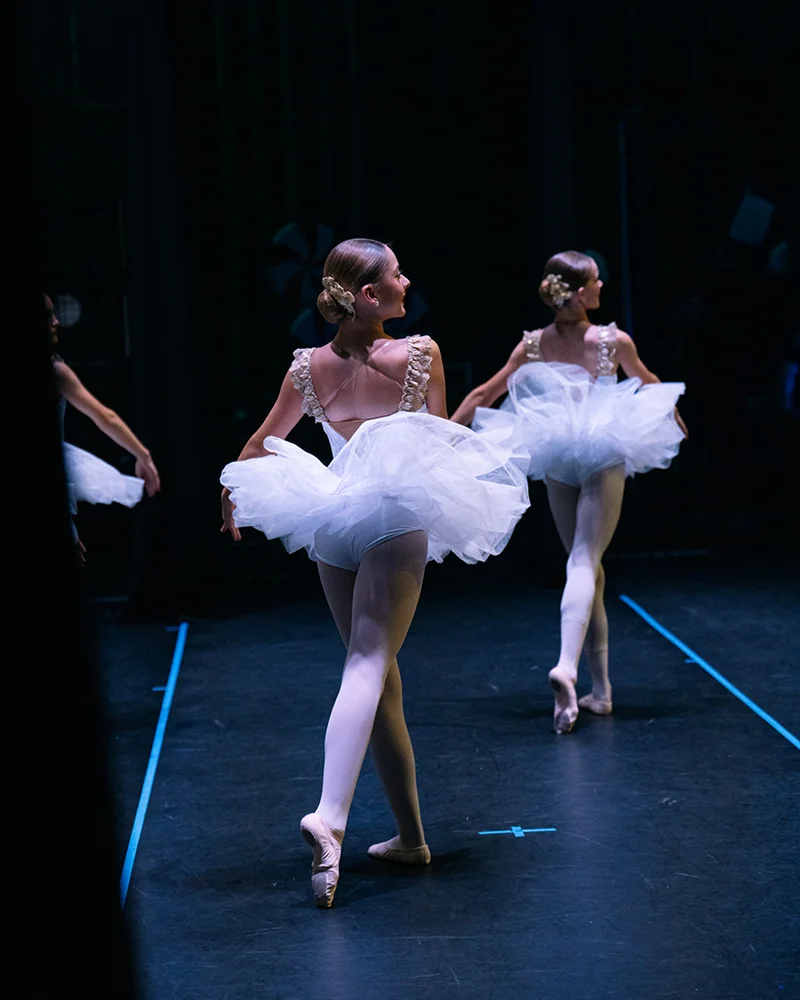
Ballet Dancing on Stage

What Your Ballet Dancer Will Learn

Ballet training at DDQ covers the classical foundations that define the art form and support all other dance styles.

  • Posture & Alignment – Correct placement of the spine, pelvis, shoulders and head. Proper turnout development. The foundational alignment that prevents injury and enables clean technique.
  • Classical Vocabulary – Positions of the feet and arms, barre exercises from pliés through grand battements, centre work, adage, pirouettes, and petit and grand allegro.
  • Musicality & Artistry – Phrasing, dynamics, breath in movement, and the expressive quality that transforms steps into performance. Understanding classical music structure and how to embody it.
  • Strength & Flexibility – The specific conditioning ballet demands—ankle strength, turnout muscles, core stability, hip flexibility and the controlled power required for jumps and pointe work.
Your most common questions answered

Frequently Asked Questions

What age can my child start ballet?

Children as young as two can begin with our Ready Set Dance pre-school program, which introduces ballet alongside jazz and movement fundamentals. Structured ballet classes begin from age five.

Does my child need dance experience?

No prior experience is required. Our classes are grouped by age and level, so beginners learn with others at the same stage while receiving appropriate foundational training.

What’s the difference between open and RAD exam classes?

Open classes focus on technique and classical training without formal assessment—dancers progress at their own pace. RAD exam classes follow the Royal Academy of Dance syllabus with structured progression and external examinations leading to recognised qualifications.

When can my child start pointe work?

Pointe readiness depends on age, training history and physical strength rather than a fixed timeline. Our teachers assess each dancer individually to ensure safe progression, typically after several years of consistent training and sufficient ankle and core strength.

What is PBT and does my child need it?

Progressing Ballet Technique is a supplementary conditioning program that strengthens the specific muscles dancers use. It benefits dancers at all levels but is optional—many dancers see significant improvement in their regular classes by adding PBT to their training.

Can my child do ballet alongside other dance styles?

Yes, and ballet supports every other genre. The strength, posture, turnout and body awareness developed in ballet class directly improve technique in jazz, contemporary, lyrical and acrobatics.