Where Strength, Skill and Dance Take Flight

Acrobatics is the wow factor. It’s the backbend that draws gasps, the aerial that stops the show, the tumbling sequence that audiences remember long after the music ends. For dancers who want to add something extraordinary to their movement vocabulary, acro delivers.

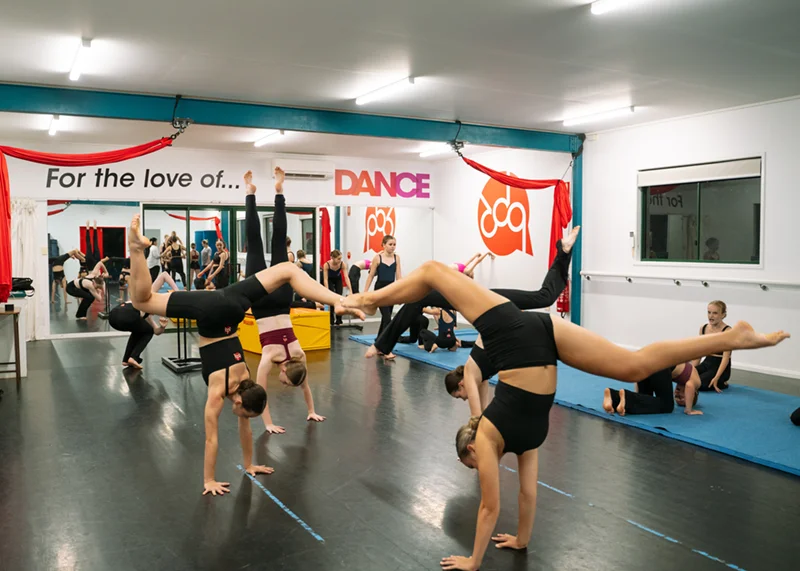
But impressive tricks require serious foundations. At Dance Direction QLD, our acrobatics program prioritises safe, structured progression, building the flexibility, core strength and body awareness that allow dancers to execute skills confidently and without injury. Every cartwheel, walkover and handstand is spotted, corrected and refined before moving to the next level. We’re a family-run studio where teachers know each dancer’s abilities and limitations, so progressions are individualised rather than rushed. The result? Dancers who don’t just attempt acrobatic skills, they own them.

Acrobatics Dance Classes

Ages

2 to 18 years

Class Types

Open classes, performance crew

Experience Req.

None

Every Age, Every Stage

Find the Right Acrobatics Class

Ages 2-5

Tiny Tumblers

An introduction to body awareness through our Tiny Tumblers program. Little ones explore rolling, balancing, safe tumbling and flexibility exercises designed for developing bodies and short attention spans.

Ages 5-6

DDQuties Acrobatics

Foundational training begins in earnest. Dancers work on forward rolls, backward rolls, cartwheels and beginning flexibility while learning how to engage their core and control their bodies through space.

Ages 6-8

Pre-Junior Acrobatics

Skills progress to handstands, bridges and cartwheel variations. Classes emphasise correct technique and muscle engagement—the invisible work that makes visible skills safe and sustainable.

Ages 8-10

Junior Acrobatics

Junior acrobats tackle walkovers, limbers and early tumbling combinations. Strength conditioning becomes more targeted as bodies prepare for the demands of intermediate skills.

Ages 10-14

Intermediate Acrobatics

Training expands to include back walkovers, front walkovers, handstand variations and introductory aerial work for those ready. Dancers develop the power and control required for performance-level acrobatics. Performance Crew opportunities become available.

Ages 14+

Senior Acrobatics

Advanced skills including aerials, tumbling passes and acrobatic sequences integrated with dance choreography. Senior acrobats refine execution quality while building the stamina to perform demanding combinations under performance conditions.

Flexibility and Strength

Why Acrobatics Transforms Dancers

It Creates Versatile Performers

Dancers who can tumble, balance and execute tricks have options other performers don’t. Acrobatic skills elevate jazz routines, add spectacle to contemporary pieces and create moments that set competition performances apart.

It Builds Functional Strength

Acro conditioning develops core stability, upper body strength, leg power and grip—functional fitness that improves technique across every dance genre, not just flexibility for its own sake.

It Teaches Body Intelligence

Knowing where your body is in space, how to fall safely, when to bail on a skill—acrobatics develops proprioception and physical problem-solving that protect dancers throughout their training.

It Rewards Persistence

Acrobatic skills don’t come quickly. The process of working toward a goal, drilling progressions, and finally landing a new trick teaches patience and resilience in ways that stick with dancers for life.

2026 Timetable

Our 2026 Dance Direction DDQ Timetable is here!

Explore class times across all age groups and genres, find the sessions that fit your family’s schedule, and secure your dancer’s spot before classes fill.

Have a question? Be sure to contact us as we’d be glad to help.

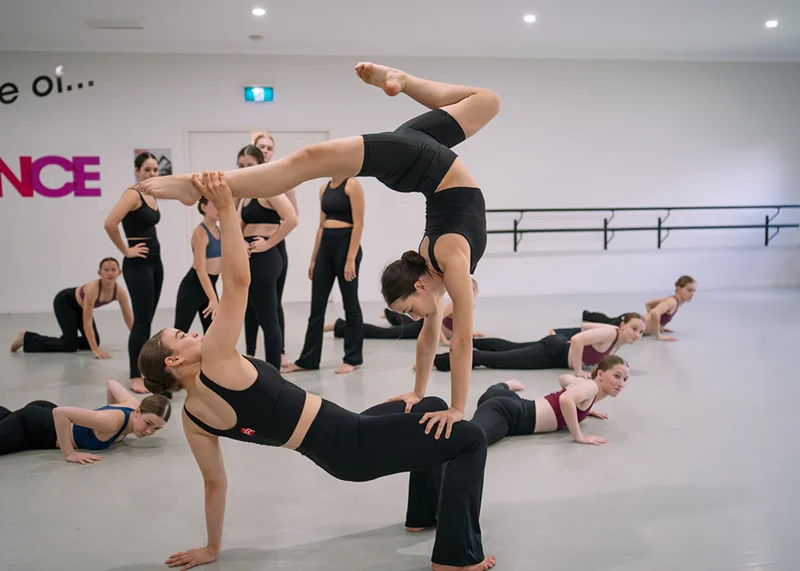
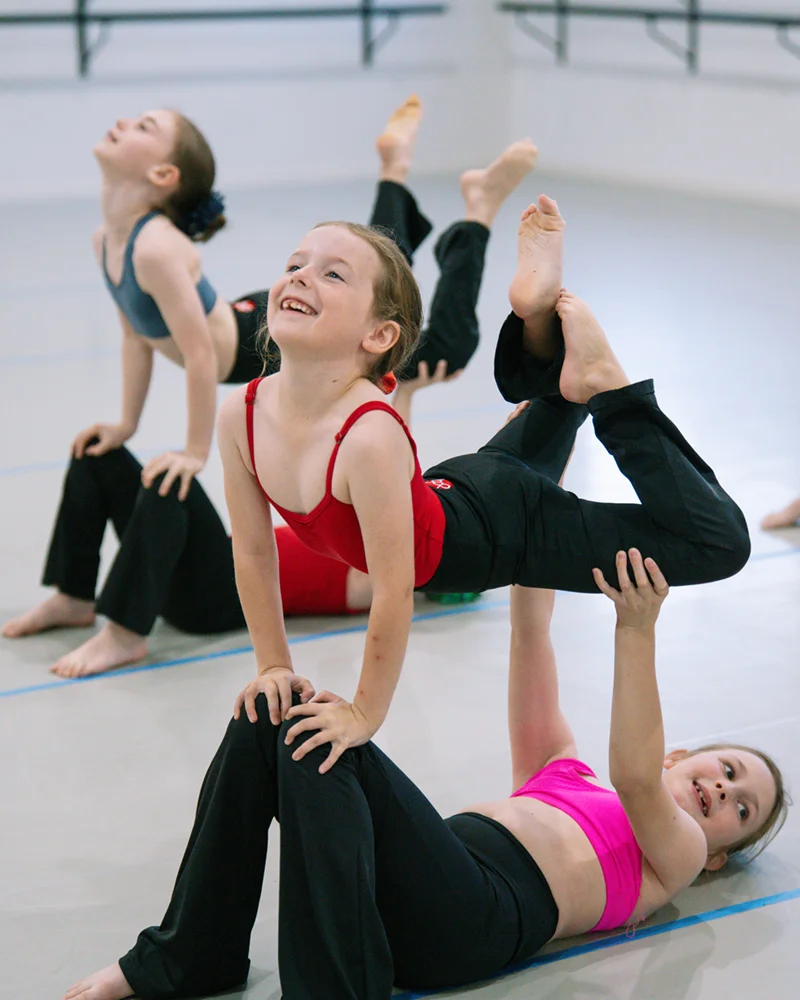
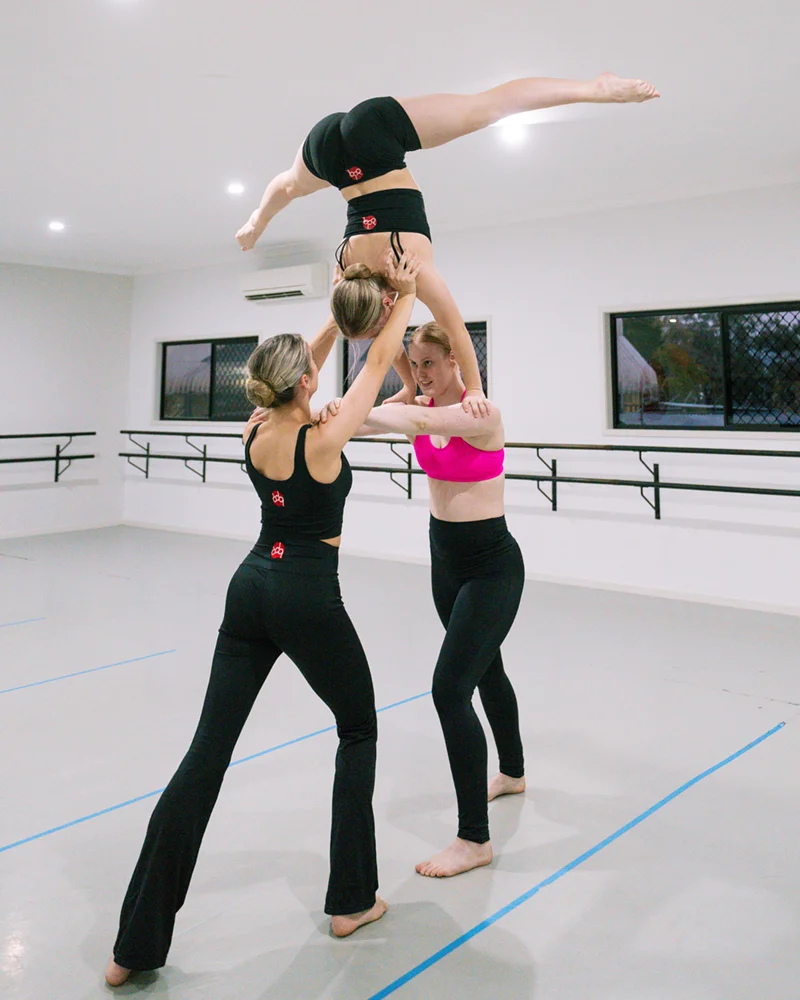
Girls performing Acrobatics

What Your Acrobatics Dancer Will Learn

Acro training at DDQ covers the physical foundations and progressive skills that create safe, impressive acrobats.

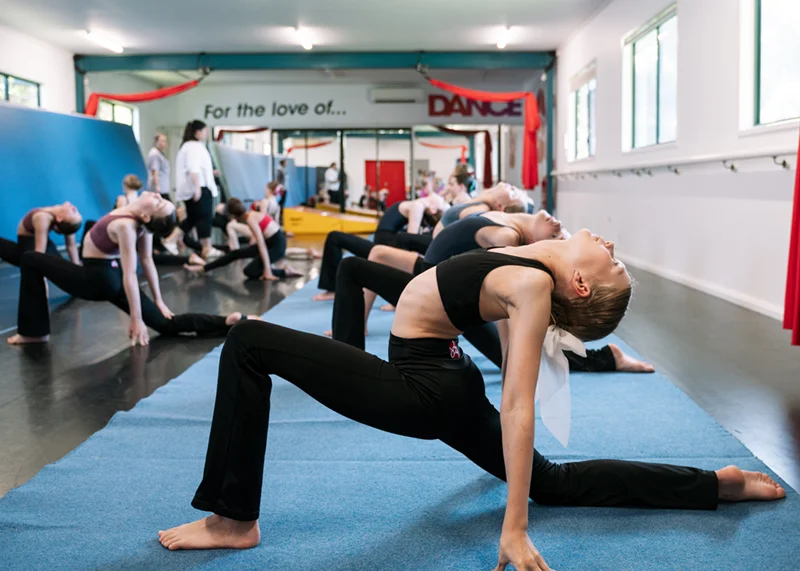
  • Flexibility Development – Active and passive stretching for splits, bridges, shoulder flexibility and the range of motion that advanced skills require. Always age-appropriate and never forced.
  • Strength Foundations – Core conditioning, upper body strength, leg power and the specific muscle groups that support handstands, walkovers and tumbling.
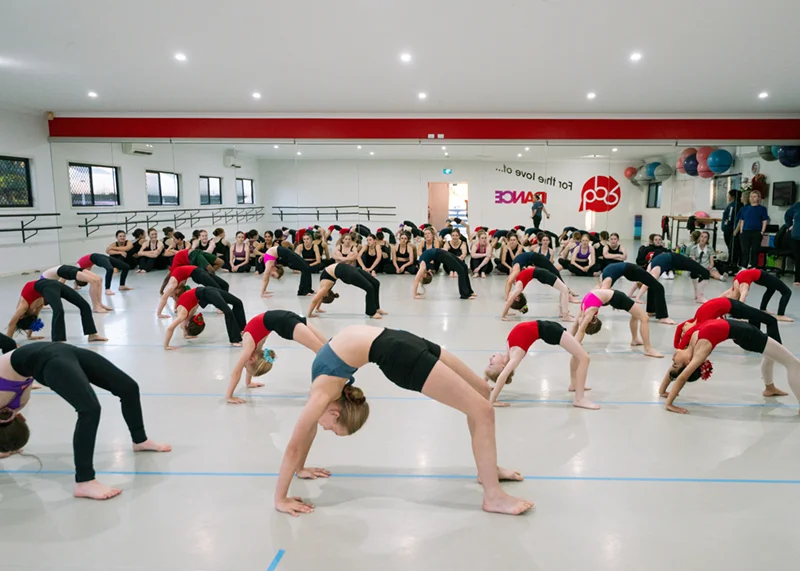
  • Tumbling Progressions – Forward rolls through to cartwheels, round-offs, walkovers and aerials. Each skill taught with proper progressions, spotting and technique correction before advancement.
  • Balance & Control – Handstands, elbow stands, balances and the stability required to execute skills with control rather than momentum alone.
Your most common questions answered

Frequently Asked Questions

What age can my child start acrobatics?

Children as young as two explore foundational body awareness through our Ready Set Dance program. Dedicated acrobatics training begins from age five with age-appropriate skills and conditioning.

Does my child need to be flexible already?

Not at all. Flexibility develops through consistent training—we meet every dancer where they are and build from there. Some children arrive naturally bendy; others develop flexibility over time. Both paths lead to capable acrobats.

Is acrobatics safe?

When taught correctly, yes. Our program emphasises proper progressions, strength foundations and individual readiness. Dancers don’t attempt skills until their bodies are prepared, and teachers spot students through new movements until execution is consistent.

How is dance acrobatics different from gymnastics?

Dance acrobatics focuses on skills that integrate with choreography, performed with dancer’s lines, musicality and flow rather than pure athletic execution. The goal is acrobatic ability that enhances dance performance, not gymnastics competition.

What should my child wear?

Our official DDQ dancewear can be purchased from our studio shop. For trial classes, dancers are welcome to wear anything comfortable that allows them to move freely.

Can acrobatics be combined with other dance styles?

That’s where it shines. Acro skills incorporated into jazz, lyrical or contemporary routines create the standout moments that audiences and judges remember. Many of our dancers train acro specifically to enhance their other genres.