Dance Without Limits

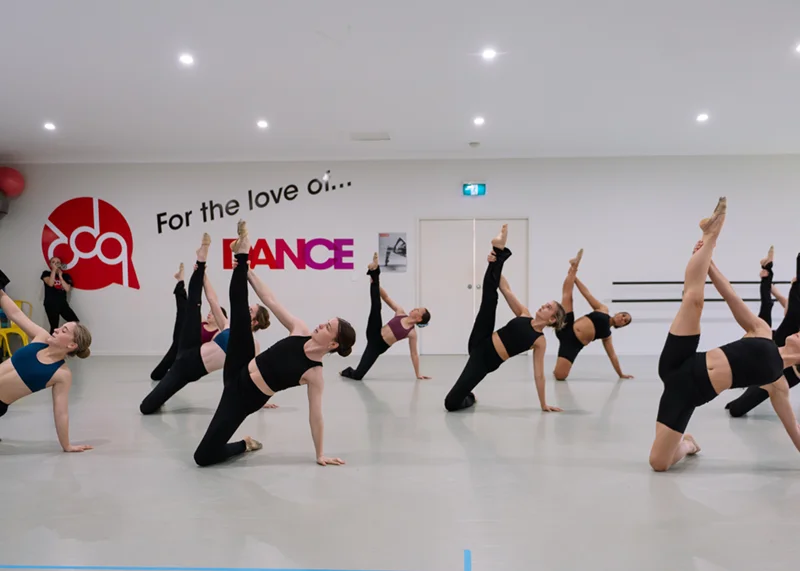
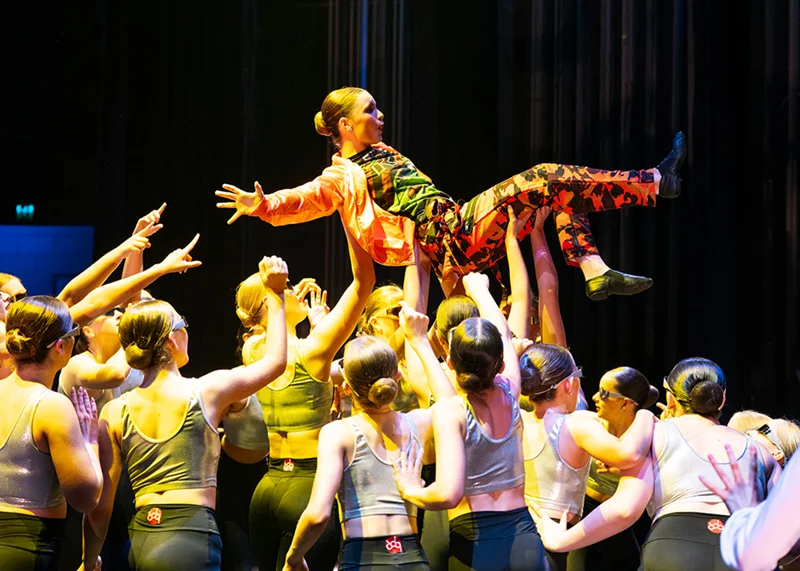
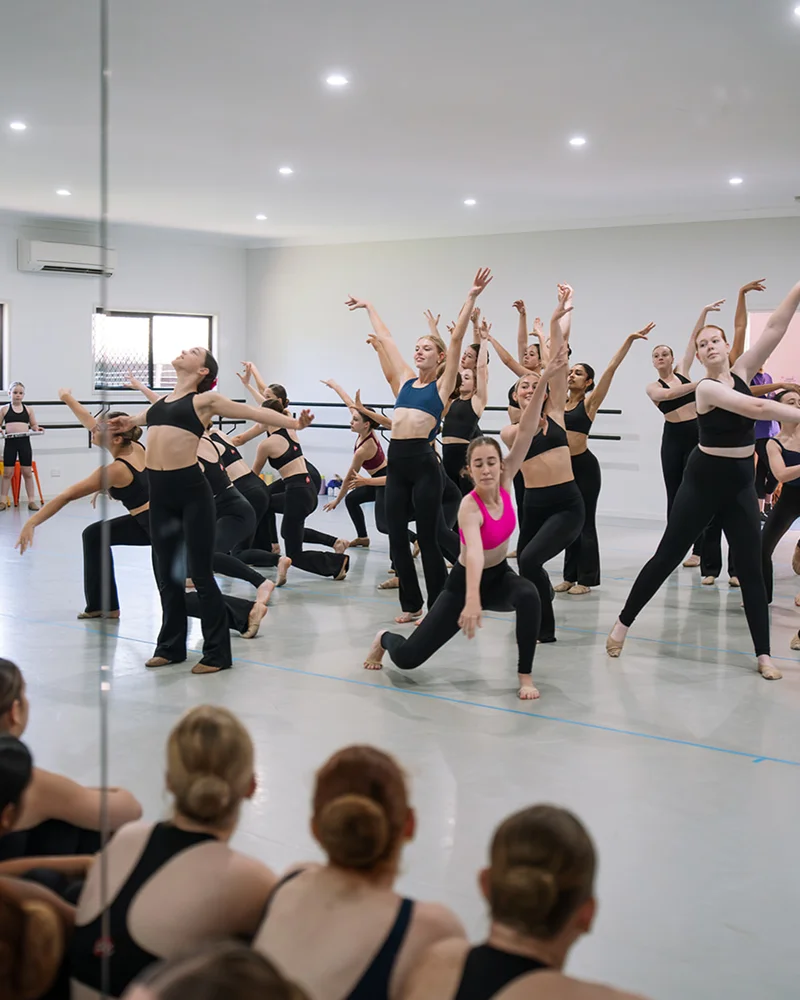
Contemporary is where rules bend. It takes foundations from ballet and modern dance, then asks “what else is possible?” The result is movement that’s grounded in technique but unrestricted by tradition, choreography that can be athletic or delicate, angular or fluid, deeply personal or boldly abstract.

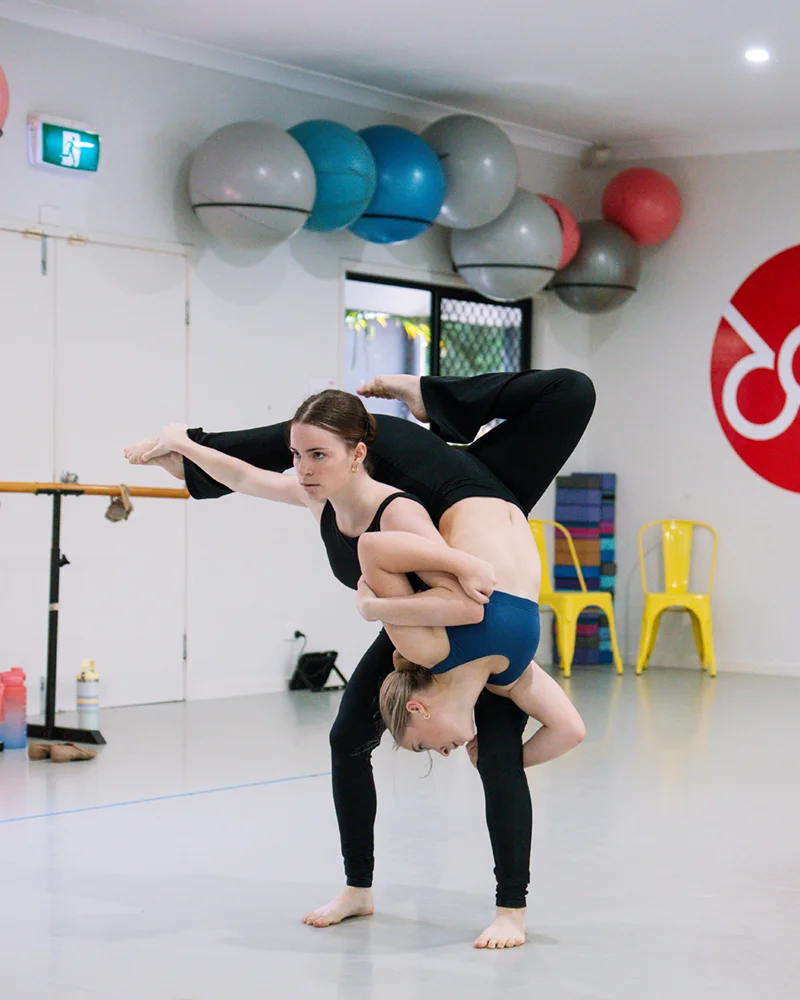
At Dance Direction QLD, our contemporary program nurtures dancers who are thinkers as well as movers. Classes develop the physical skills the genre demands, floor work, release technique, weight sharing, dynamic range, alongside the creative mindset that distinguishes contemporary artists. We’re a family-run studio where experimentation is encouraged and there’s no single “right way” to move. Teachers know each dancer individually, allowing them to guide students toward their own movement voice rather than simply replicating choreography. Contemporary at DDQ isn’t about copying, it’s about discovering.

Contemporary Dance Classes

Ages

5 to 18 years

Class Types

Open classes, performance crew

Experience Req.

Some dance background helpful

All Stages

Find the Right Contemporary Class

Ages 8-10

Junior Contemporary

Junior dancers expand their physical vocabulary with more complex floor sequences, partnering introductions and choreography that challenges them to move beyond familiar patterns. Creative tasks encourage individual interpretation.

Ages 10-14

Intermediate Contemporary

Training deepens with release technique, weight play, dynamic contrasts and more sophisticated choreographic concepts. Dancers develop the strength, control and artistic confidence to tackle challenging contemporary work. Performance Crew opportunities become available.

Ages 14+

Senior Contemporary

Our most advanced classes push physical and creative boundaries. Senior dancers engage with complex choreography, improvisation, contact work and conceptual exploration while developing the technical mastery and artistic maturity the genre demands.

Creative movement and exploration

What Makes Contemporary Different

It Values Questions Over Answers

Contemporary doesn’t prescribe how movement should look. It invites dancers to explore, experiment and find their own solutions. That inquiry-based approach builds creative thinkers, not just skilled executors.

It Uses the Whole Body, Whole Space

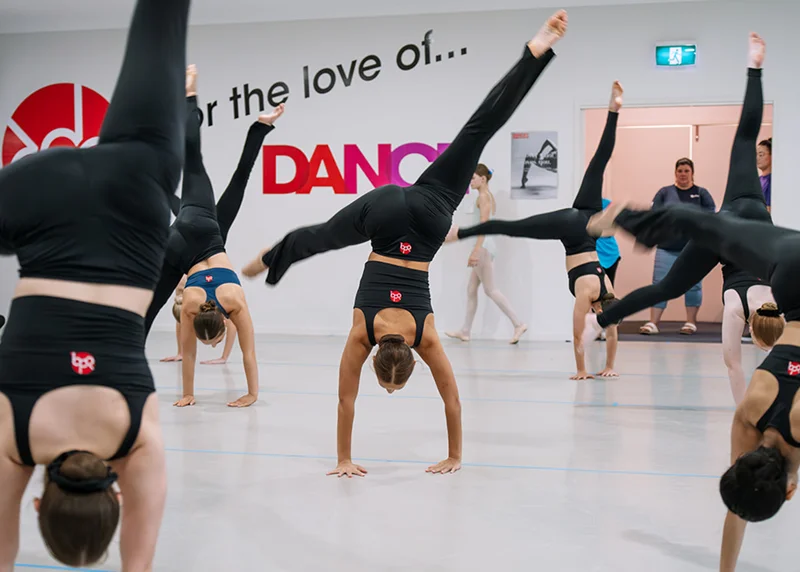
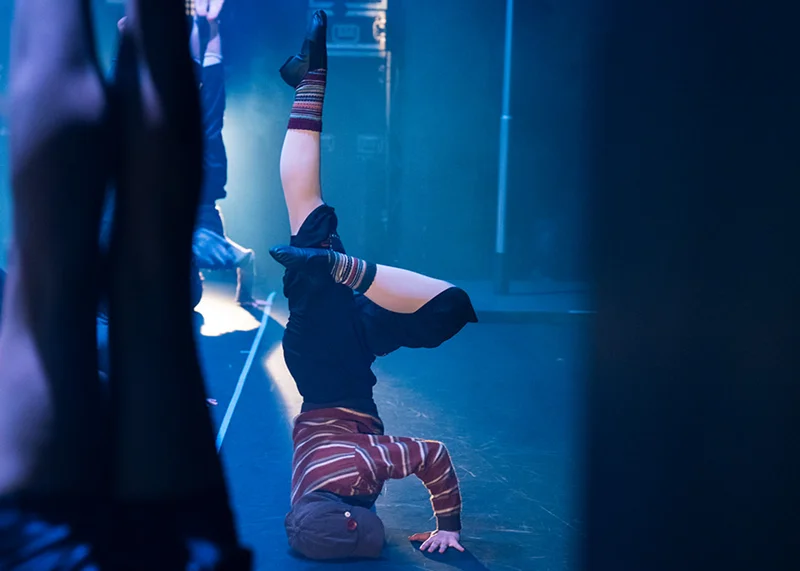
Floor work, inversions, spirals, falls and recoveries, contemporary expands what’s possible. Dancers learn to move through all levels and planes, using gravity as a partner rather than fighting against it.

It Develops Physical Intelligence

The genre demands adaptability. Dancers learn to shift weight, redirect momentum, respond to impulse and move instinctively. That physical problem-solving translates to faster learning in every other style.

It Rewards Individuality

Two dancers can perform the same choreography and look entirely different, and both be right. Contemporary celebrates personal interpretation, building artists with distinctive voices rather than interchangeable technique.

2026 Timetable

Our 2026 Dance Direction DDQ Timetable is here!

Explore class times across all age groups and genres, find the sessions that fit your family’s schedule, and secure your dancer’s spot before classes fill.

Have a question? Be sure to contact us as we’d be glad to help.

Contemporary Dancers

What Your Contemporary Dancer Will Learn

Contemporary training at DDQ covers the physical, creative and performance elements that define this evolving genre.

  • Floor Work & Levels – Safe, controlled movement to and from the floor. Rolls, slides, spirals and transitions that expand where dance can happen beyond standing upright.
  • Release & Weight Play – Using gravity, momentum and breath rather than fighting them. The efficient, organic movement quality that distinguishes contemporary from more rigid classical forms.
  • Dynamic Range – Sharp and smooth, fast and suspended, heavy and weightless. Developing the ability to shift qualities instantly and use contrast to create visual interest and emotional impact.
  • Creative Process – Improvisation, task-based choreography and compositional concepts. Understanding how contemporary work is made, not just how it’s performed.
Your most common questions answered

Frequently Asked Questions

What age can my child start contemporary?

Contemporary classes begin from age eight, with age-appropriate creative movement and exploration. The genre’s physical demands mean training deepens significantly as dancers mature.

Does my child need ballet training first?

Ballet provides useful foundations, alignment, strength, movement vocabulary, but isn’t mandatory. Many concepts in contemporary actually deconstruct classical technique, so fresh perspectives can be valuable. We build necessary foundations within our contemporary classes.

What’s the difference between contemporary and lyrical?

Lyrical typically interprets songs with fluid, emotionally-driven choreography. Contemporary is broader, it can be abstract, conceptual, athletic or experimental, and doesn’t rely on lyrics or traditional musical structure. Many dancers study both.

Is contemporary only for flexible dancers?

No. While flexibility helps, contemporary values strength, control, creativity and dynamic range equally. Less naturally flexible dancers often excel at the grounded, weighted aspects of the genre.

What should my child wear?

Our official DDQ dancewear can be purchased from our studio shop. For trial classes, dancers are welcome to wear anything comfortable that allows them to move freely.

Will contemporary help with other dance styles?

Significantly. The body awareness, dynamic control and creative thinking transfer directly. Many advanced dancers add contemporary specifically to develop versatility and artistry that elevates their performance across all genres.