Expression in Every Movement

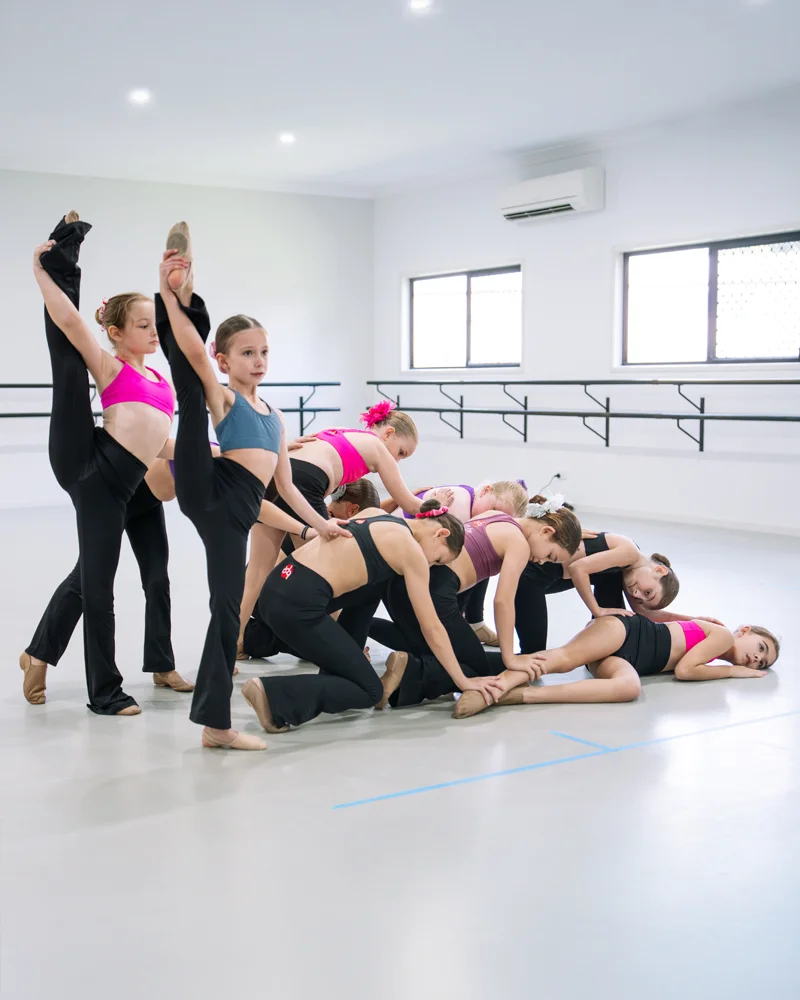
Lyrical dance at Dance Direction QLD blends the technique of ballet and jazz with expressive, emotional movement. This style focuses on storytelling through dance, using fluid transitions, control and musical interpretation to connect movement with music and meaning.

Our lyrical classes develop strong technique, flexibility, balance, strength and musicality, while encouraging dancers to express emotion, intention and artistry. Dancers learn how to move with quality, control and purpose, exploring dynamics, phrasing and performance skills in a supportive and encouraging environment. Lyrical at DDQ builds confident, expressive dancers and complements training across all dance genres.

Lyrical Dance Classes

Ages

5 to 18 years

Class Types

Open classes, performance crew

Experience Req.

Ballet or jazz recom. but not required

All Stages

Find the Right Lyrical Class

Ages 6-8

Pre-Junior Lyrical

Dancers build foundational lyrical vocabulary, fluid port de bras, expressive use of breath, simple floor work and the beginning of emotional interpretation. Classes develop the mind-body connection that lyrical requires.

Ages 8-10

Junior Lyrical

Junior dancers deepen their expressive range while refining technique. Choreography becomes more nuanced, floor work more complex, and dancers begin understanding how to interpret lyrics and musical dynamics through movement.

Ages 10-14

Intermediate Lyrical

Training advances with sophisticated choreography, extended movement phrases and greater emotional depth. Dancers explore light and shade, tension and release, stillness and flow. Performance Crew opportunities become available for those seeking competition experience.

Ages 14+

Senior Lyrical

Our most advanced classes challenge dancers to bring genuine artistry to technically demanding choreography. Senior lyrical dancers develop their interpretive voice while executing complex movement with the control and fluidity the genre demands.

Beyond Steps, Into Story

What Sets Lyrical Apart

It Bridges Technique and Emotion

Lyrical requires ballet’s lines and jazz’s dynamics, but technique serves the story rather than the other way around. Dancers learn that how a movement feels matters as much as how it looks.

It Develops Musicality Beyond Counting

Lyrical dancers learn to hear lyrics, dynamics, pauses and crescendos—and translate what they hear into what audiences see. This deep musical connection elevates performance across every genre.

It Builds Emotional Intelligence

Exploring different emotions through movement—grief, joy, longing, hope—develops empathy and self-awareness. Dancers learn to access and express feelings in healthy, creative ways.

It Creates Compelling Performers

Audiences connect with dancers who move with intention. Lyrical training develops the performance quality that transforms technically proficient dancers into artists people can’t look away from.

2026 Timetable

Our 2026 Dance Direction DDQ Timetable is here!

Explore class times across all age groups and genres, find the sessions that fit your family’s schedule, and secure your dancer’s spot before classes fill.

Have a question? Be sure to contact us as we’d be glad to help.

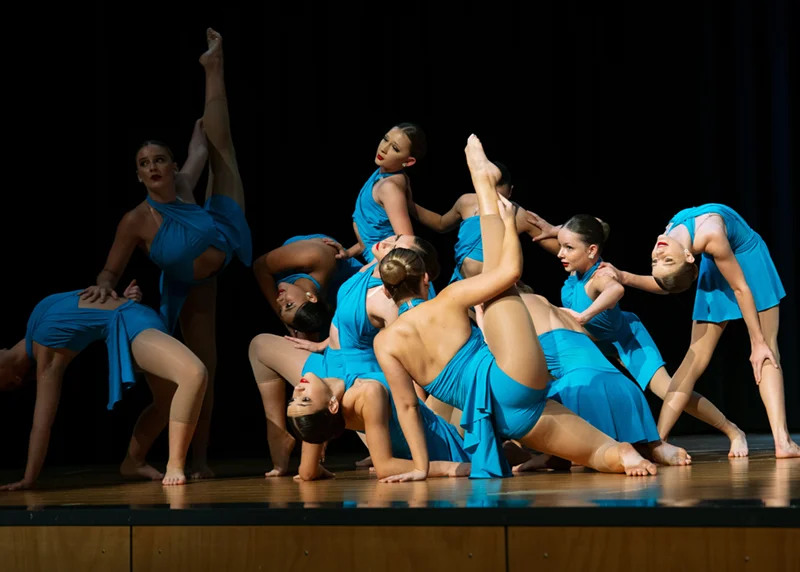
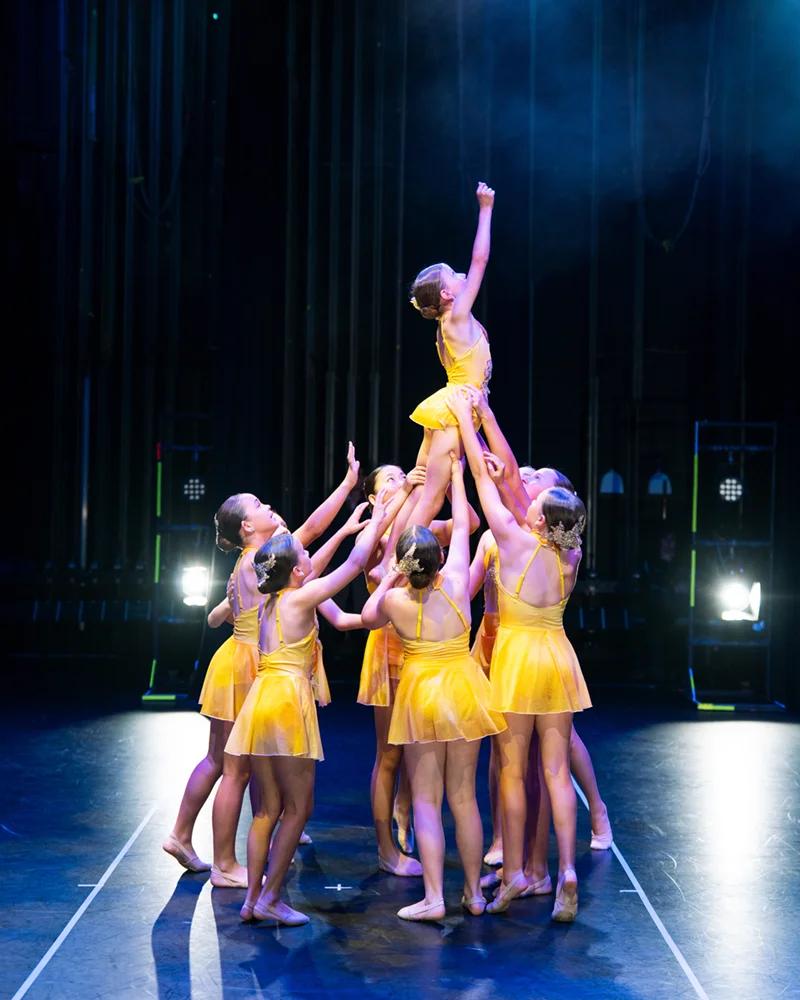
Lyrical dancing on stage

What Your Lyrical Dancer Will Learn

Lyrical training at DDQ develops the technical, musical and expressive elements that define this emotive genre.

  • Fluid Movement Quality – The seamless, continuous motion that characterises lyrical. Breath-driven movement, weighted transitions and the ability to move through space without visible effort.
  • Technical Foundations – Extensions, turns, leaps and floor work drawn from ballet and contemporary. The physical vocabulary that allows expressive ideas to be executed with clarity and control.
  • Musical Interpretation – Listening beyond the beat to lyrics, dynamics and emotional arc. Learning to phrase movement to music rather than simply counting and hitting marks.
  • Expressive Range – Developing the ability to convey emotion authentically through face, body and movement quality. Finding genuine connection to choreography rather than performing emotion superficially.
Your most common questions answered

Frequently Asked Questions

What age can my child start lyrical?

Lyrical classes begin from Year 1. Younger children benefit from building foundational skills through Ready Set Dance before moving into genre-specific training.

Does my child need ballet or jazz experience first?

It helps but isn’t essential. Lyrical draws heavily on ballet technique and jazz dynamics, so dancers with existing training often progress faster. However, we welcome beginners and build foundational skills within our lyrical classes.

What’s the difference between lyrical and contemporary?

Both are expressive genres, but lyrical typically interprets song lyrics with fluid, emotional choreography, while contemporary often explores abstract concepts with more experimental movement vocabulary. Many dancers train in both.

What should my child wear to lyrical class?

Our official DDQ dancewear can be purchased from our studio shop. For trial classes, dancers are welcome to wear anything comfortable that allows them to move freely.

Can lyrical complement other dance training?

Beautifully. The musicality transfers to every genre, the expressive skills elevate all performance, and the technical foundations reinforce ballet and jazz training. Many serious dancers include lyrical in their weekly schedule.